
Cerebral palsy (CP) is a permanent neurological condition caused by damage to the developing brain before, during, or shortly after birth, which fundamentally alters a child’s ability to control their muscles and body movements. According to the Cleveland Clinic, the term “cerebral” indicates the brain, while “palsy” refers to physical weakness or difficulties using the muscles. Affecting roughly 1 in every 300 children, CP typically presents in the first few years of life, with infants frequently missing key developmental milestones like rolling over, sitting, crawling, smiling, or walking. The condition exists on a spectrum ranging from mild cases (where a child may appear clumsy) to moderate forms requiring leg braces or canes, up to severe presentations that impact all physical abilities and require a wheelchair.
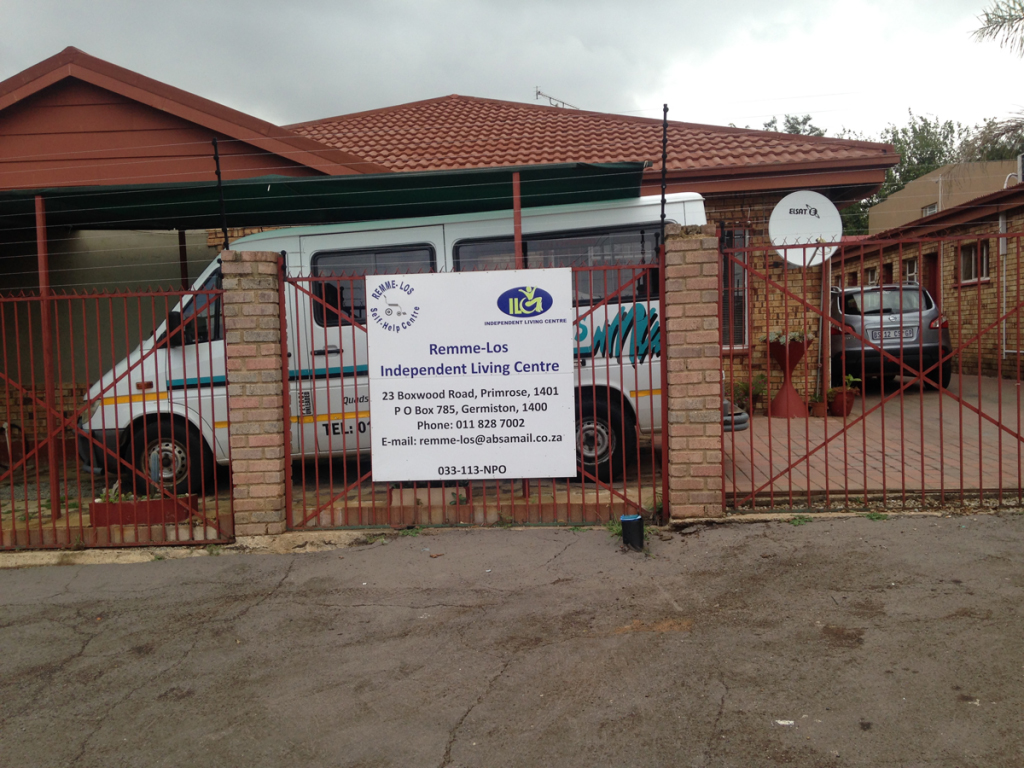
Remme-los Self Help Centre is affiliated with the Quadriplegic Association of Gauteng South (QAGS) and its national body the Quad Para Association of South Africa (QASA). It is situated in Primrose, Germiston within the Ekurhuleni Region.